
Meet Muhammad: our new MEAL Officer
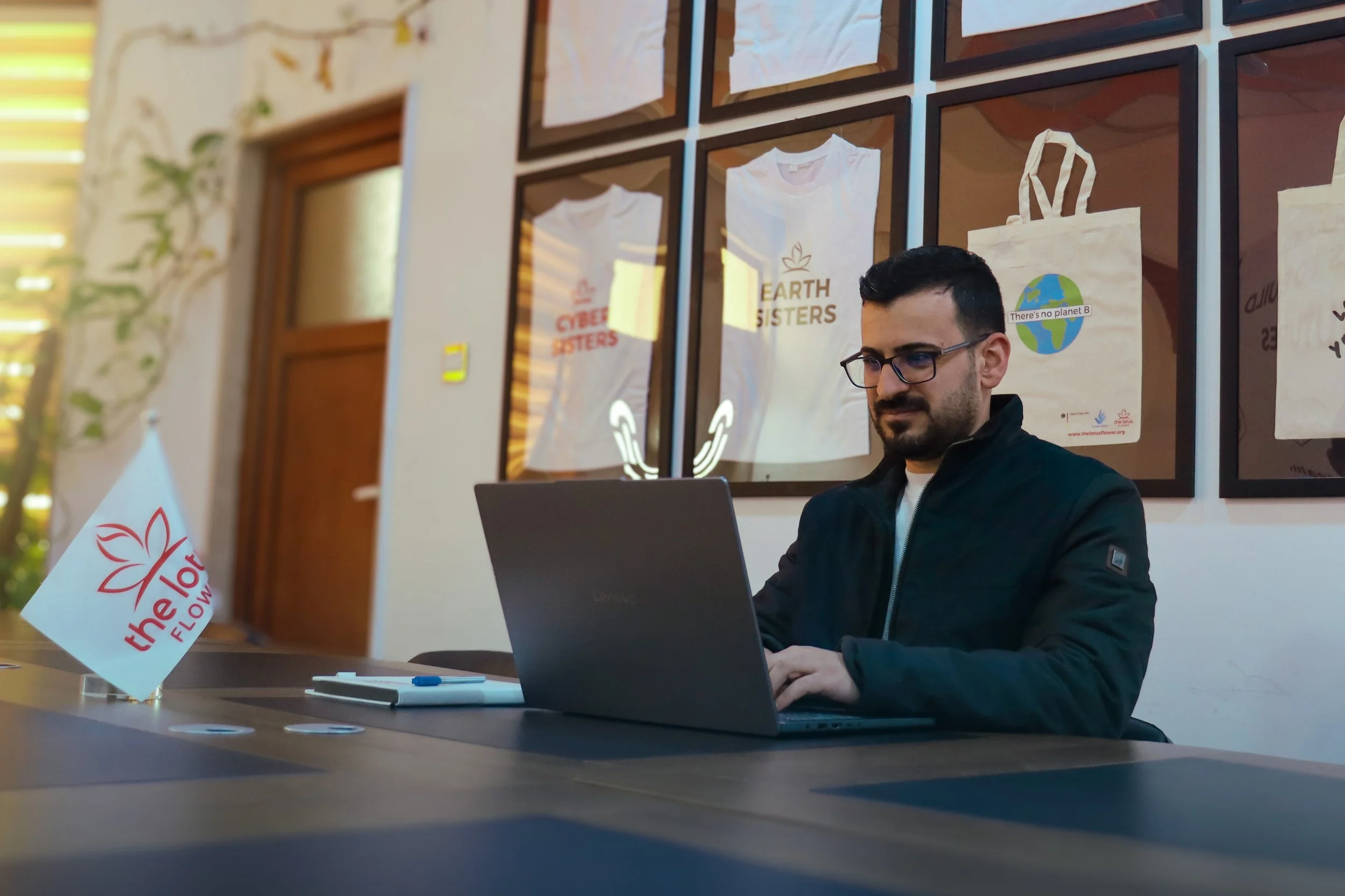
Muhammad was just two months old when his family was forced to flee during the 1991 Kurdish exodus. They sought refuge in southern Turkey, but like many families, endured extremely difficult conditions, where harsh weather and a lack of basic services resulted in a tragic loss of life.
Muhammad was fortunate to survive. After returning home, his family lived as internally displaced persons and were unable to access their land and home for many years, until the changes that followed Iraq’s liberation in 2003.
But when ISIS later swept through Iraq and devastated Kurdish and Yazidi communities, painful recollections of their own uprooting returned.
“Growing up with those memories, I have witnessed the long-term effects of conflict, including instability and uncertainty,” he says. “These experiences created an understanding of the challenges communities face and motivated me to work in the humanitarian sector, where one of my goals is to contribute to a positive change.”
Finding purpose
Today, Muhammad is part of the Lotus Flower’s Duhok team, bringing almost 12 years of experience in Monitoring, Evaluation, Accountability, and Learning (MEAL) across the humanitarian and development sectors. He also holds a degree in Computer Science from Duhok University, a background that has strengthened his analytical skills and supported data-driven approaches in his career.
“When the opportunity came to join the Lotus Flower, I felt it aligned strongly with my values and professional goals, especially in supporting women, girls and vulnerable community members,” he adds.
In his role, Muhammad regularly visits project locations and centres, supporting programmes focused on women’s livelihoods, protection and psychosocial support.
His role is to help ensure the Lotus Flower measures its impact effectively, learns from its work and continuously improves the quality of programming.
“Many people think MEAL is just about numbers and reports, but a big part of the role is listening, whether through field visits, discussions with communities or feedback mechanisms. It's more about understanding the experiences and stories behind the data.
“The best thing about my job is knowing that behind every number there is a real person. When data flows well and we understand what is happening on the ground, we can make better decisions about support reaching the people who truly need it. Seeing how small improvements in our work can lead to better lives for individuals and communities makes my role very meaningful to me.”
Moments that matter
Looking back on his career, two highlights stand out for Muhammad.
During a data collection exercise, his team identified several children who were visibly unwell. Within hours, the mother and babies were referred to a nearby health clinic for urgent follow-up. “This felt like real-time monitoring that became immediate protection and care,” he says.
On another occasion, while carrying out an impact assessment with newly-arrived families from Ninewa plains at Qaymawa camp, Muhammad witnessed a level of ingenuity that stayed with him. Families were using distributed shawls in inventive ways – turning them into dresses, dolls, curtains and even tent doors.
“It showed us how people adapt and make use of assistance beyond its intended purpose. There are many moments like this. For me, even small changes can feel meaningful. Whether the impact is big or small, what matters most is seeing real improvement happen for the people we serve.”
Muhammad also values the sense of shared community that comes from working at the Lotus Flower.
“We are a part of the same community we support. We understand the context and we work closely with them. That makes our work more real and helps us respond better to what people actually need.”
Looking ahead, he hopes to further strengthen research and learning within humanitarian work, ensuring community voices and needs are better reflected in how programmes are designed and delivered. He also hopes to make reports more visual and user-friendly, “so that findings, needs and impact are easier to understand and more useful for decision making and decisionmakers.”
Outside work, Muhammad enjoys reading, listening to podcasts and watching stand-up comedy. He also likes going to the gym, spending time with his son, family, and friends and exploring new ideas around personal development and health.